Why Product Pages Miss AI Answers: A Practical Merchant Guide
Product pages can miss AI answers because search systems may not crawl, index, or show every page. Improve the page with clear people-first descriptions, structured data, distinct product details, and evidence that answers common buying questions. Then track which prompts cite your store and which cite competitors.

Why a product page may be absent
Visibility is not guaranteed. Search systems do not guarantee that every product page will be crawled, indexed, or shown in results. A missing AI citation therefore does not prove that the product is poor or that one page change will fix the problem.
Start with access and page purpose: confirm that the page is reachable, has one clear product, explains who it is for, and answers the questions a buyer would ask before purchasing. Avoid treating an AI answer as a complete index of your catalogue.[4]
Make the product easier to understand
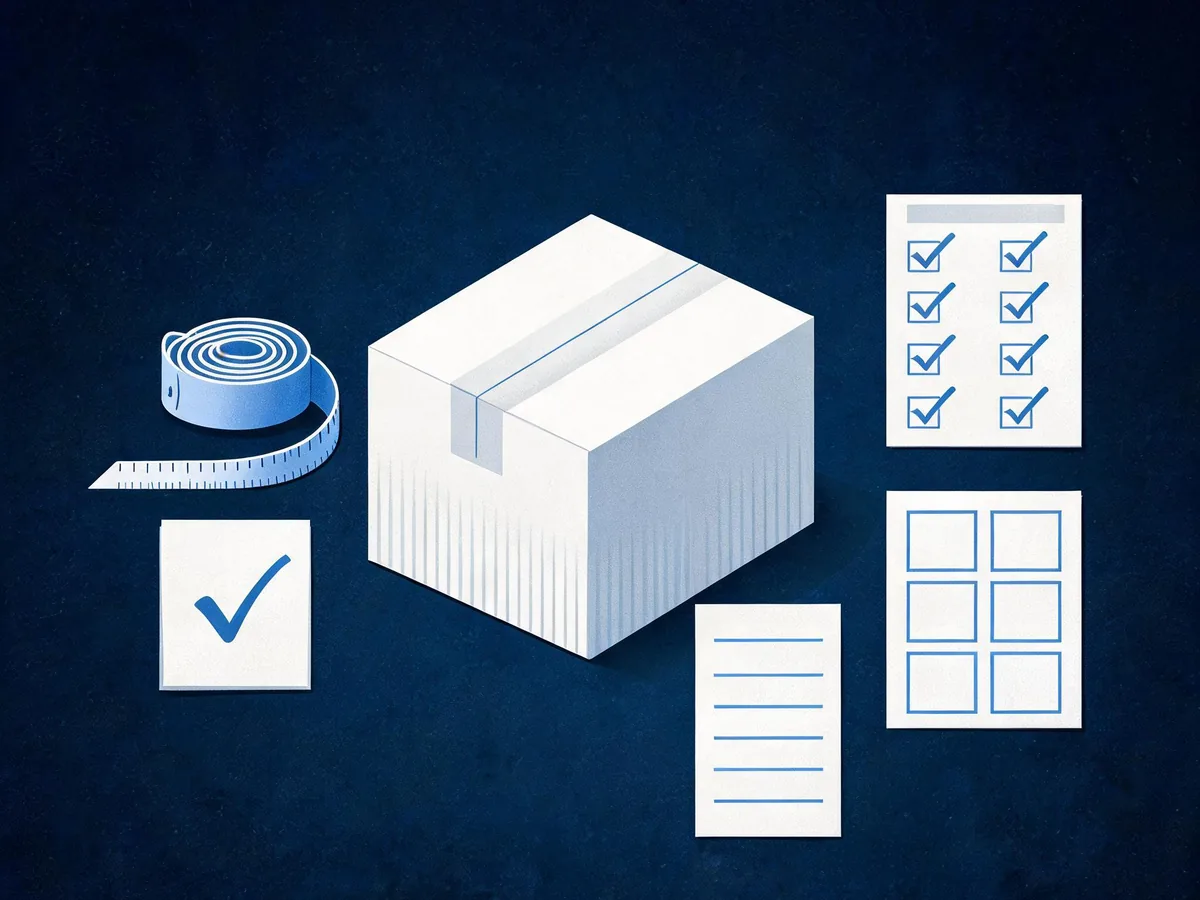
Replace vague copy with decision-useful details: material, dimensions, compatibility, fit, care, included parts, limitations, dispatch timing, and the use case. For example, a ceramic mug page can distinguish capacity, dishwasher safety, handle size, and whether it suits a travel lid.
Write for people first. A useful description helps a buyer decide without forcing them to infer the product's purpose from adjectives or repeated keywords.[3]
Give search systems clearer signals
Use structured data that matches the visible page content, including the product identity and relevant commercial details supported by the page. Structured data helps search engines understand the content and purpose of a webpage, but it is not a guarantee of inclusion.
Check the practical basics: one stable page per product, a descriptive title, a useful first paragraph, internally linked category context, and consistent product facts across the page and feed. Do not mark up information that shoppers cannot see.[2]
Measure citation gaps instead of guessing
Create a small prompt set based on real shopping questions, such as best insulated bottle for a small backpack, fragrance-free face cream for dry skin, or linen shirt for a hot office. Record whether your store, a competitor, or neither is cited.
Cited writes and publishes for a merchant every day, then measures how often AI answers cite that merchant and how often those answers cite a competitor instead. That measurement separates a content gap from a visibility gap and gives a solo merchant a repeatable review loop.[1]
Frequently asked questions
Does a missing AI citation mean my product page is broken?
No. Search systems do not guarantee that every product page will be crawled, indexed, or shown. Check access, page clarity, product detail, and competing answers before concluding that the page is broken.[4]
What details should a product description contain?
Include the material, dimensions, fit or compatibility, care instructions, included parts, limitations, delivery information, and the specific use case. These details help a buyer make a decision without guessing.[3]
Can structured data guarantee that an AI answer will cite my store?
No. Structured data helps search engines understand webpage content and purpose, but it does not guarantee crawling, indexing, display, or citation.[2][4]
How can a small merchant find a citation gap?
Test a short list of real buying prompts, record which store is cited, and compare the cited answers with your product page. Repeat the test after publishing clearer, more complete content.
What does Cited do for a merchant?
Cited writes and publishes for a merchant every day, then measures how often AI answers cite that merchant and how often those answers cite a competitor instead.[1]
Sources
- Cited official website — Cited
- Introduction to Structured Data Markup in Search — Google Search Central
- Creating helpful, reliable, people-first content — Google Search Central
- Get your website on Google — Google Search Central