SEO for Product Descriptions: A Practical Merchant Guide
Improve product-description SEO by matching shopper language, answering purchase questions, describing specific attributes and use cases, and adding accurate product structured data. Write for the customer first, then measure whether search and AI answers mention your store or a competitor.

Build descriptions around the buying decision
Start with the product’s material, dimensions, fit, finish, compatibility, care requirements, and delivery-relevant details. Turn each detail into a useful answer: who is it for, what problem does it solve, how does it feel or work, and what might make it unsuitable?
Use the words shoppers actually use for the item, including plain-language synonyms and specific attributes. Avoid repeating one phrase mechanically; make the description readable enough for a customer comparing several products.[4][3]
Use a repeatable product-description formula
Write the opening sentence around the product and its primary use. Follow with a short benefits paragraph, a scannable specification list, fit or compatibility guidance, care or setup instructions, and a final note about what is included.
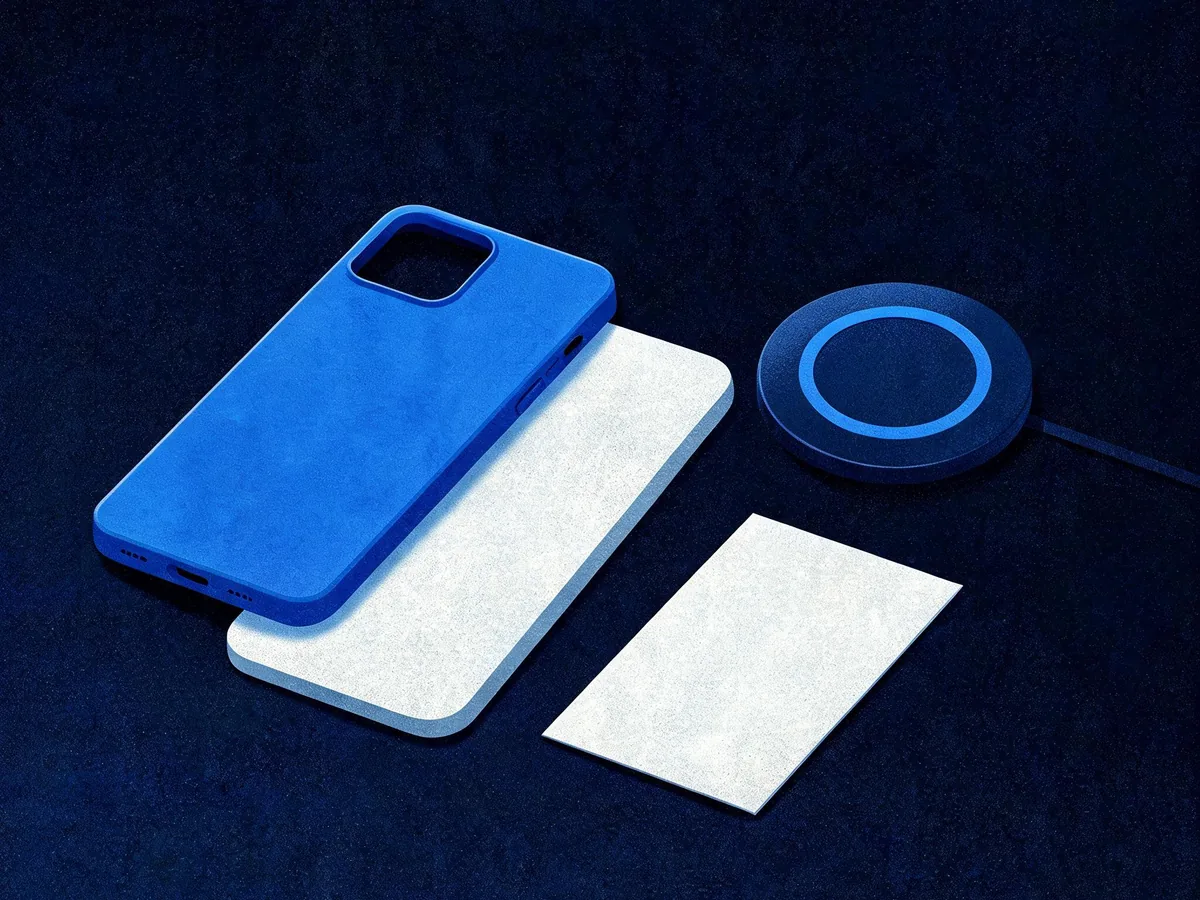
For a linen apron, mention the fabric, tie length, pocket layout, intended cooking use, washing method, and any limits such as fabric variation. For a phone case, mention the compatible device family in plain words, materials, button access, wireless charging compatibility, and protection level. Replace these examples with verified details from your own inventory.
Make the page understandable to search systems and shoppers
Keep the product name, description, price, availability, images, and variant details consistent on the page. Add product structured data with accurate information so the page can be eligible for enhanced appearances in search results; structured data does not replace clear customer-facing copy.
After publishing, compare impressions, clicks, product-page visits, and sales by query or landing page where your analytics provide those views. For AI visibility, record a fixed set of customer questions and note whether your store or a competitor is cited over time.[2][1]
A practical refresh workflow for a small shop
Choose five products with strong margins or weak organic traffic. Collect questions from customer emails, reviews, returns, and search suggestions. Rewrite each description using the same structure, check every factual detail against the product, and improve images and variant information where the copy exposes a gap.
Review the pages after a few weeks rather than changing everything at once. Keep a simple record of the old wording, new wording, date, impressions, clicks, conversions, and AI-answer mentions. This makes a change easier to evaluate, although a single result cannot prove that copy alone caused the change.
| Element | What to write | Merchant check |
|---|---|---|
| Opening | Product type, primary use, and distinctive attribute | Could a shopper identify the item and use in one sentence? |
| Benefits | Concrete outcome tied to a feature | Does each benefit explain why the feature matters? |
| Specifications | Material, size, fit, compatibility, care, and contents | Are details verified against the actual product? |
| Search language | Natural terms customers use for the product | Does the wording sound like a real shopper query? |
| Structured data | Accurate product information in machine-readable form | Does it match the visible page information? |
Frequently asked questions
How long should a product description be?
Make it long enough to answer the product’s real buying questions, not to reach an arbitrary word count. A simple item may need a short paragraph and specifications; a technical or configurable item needs more guidance.
Should I repeat the product keyword throughout the page?
Use the language shoppers use, but write naturally. Cover synonyms, attributes, use cases, and compatibility details instead of repeating one phrase in every sentence.[4]
Can structured data make my product rank first?
No guarantee follows from adding it. Product structured data can make pages eligible for enhanced search appearances, while the visible description still needs to be accurate and useful.[2]
How can I tell whether competitors are appearing in AI answers instead of my store?
Create a consistent question set based on how customers shop, run it regularly, and record which stores are cited and which product facts appear. Cited describes a measurement process that tracks how often a merchant is cited and how often a competitor is cited instead.[1]
Sources
- Cited official website — Cited
- Product structured data — Google Search Central
- Creating helpful, reliable, people-first content — Google Search Central
- SEO Starter Guide: The Basics — Google Search Central